Greek Columns Styles
Greek column is an architectural style developed by the ancient greek. Greek columns are the most iconic feature of greek architecture. It was developed by one of the greek races, the dorians. The ancient greeks were wonderful architects. Mar 08, 2022 · the three styles of ancient greek architecture are identified as the doric order, the iconic order, and the corinthian order.

The style tended to be slender and elegant.
As a part of architectural order, columns have distinct features that make them individually unique. The shaft had twenty sides. The ancient greeks were wonderful architects. And remained the predominant order for greek temple construction through the early fifth century b.c.e., although notable buildings of the classical period—especially the canonical parthenon in athens—still employ it. It evolved over time, flourished in the greek peninsula and the peloponnese, in the aegean islands and in the colonies of asia minor and italy in the period from 900 bc to the first century ad. Columns and pilasters are among the most common elements of greek revival. The doric columns are a circular ring under a square piece of marble which supports the cross beam. The doric columns had a crown or capital made of a circle topped by a square. The columns were designed without bases as in the greek style or with bases as in a roman adaptation. The style tended to be slender and elegant. Although classical columns are round, by definition, the greek revival style also used square or even octagonal columns. It was developed by one of the greek races, the dorians. They invented three types of columns to support their buildings.
Jan 12, 2022 · in the greek corinthian order, the columns were thin and fluted, meaning they had a series of vertical lines cut into the surface. And remained the predominant order for greek temple construction through the early fifth century b.c.e., although notable buildings of the classical period—especially the canonical parthenon in athens—still employ it. There was the stylish doric, the ionic with its scrolls, and the fancy corinthian. The three types of columns originated in greece, which was The ancient greeks were wonderful architects.
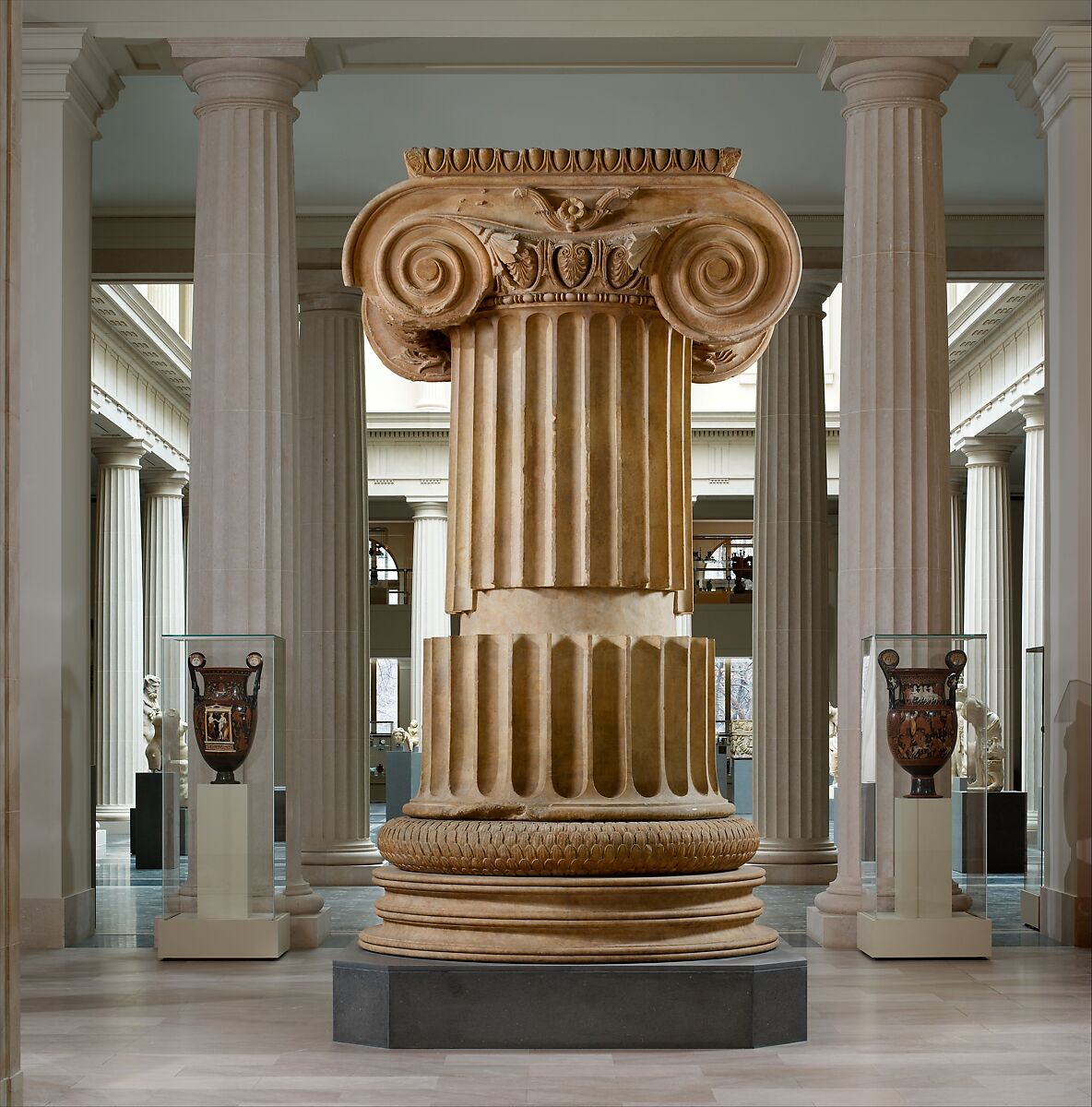
The columns were designed without bases as in the greek style or with bases as in a roman adaptation.
As a part of architectural order, columns have distinct features that make them individually unique. Although classical columns are round, by definition, the greek revival style also used square or even octagonal columns. There was the stylish doric, the ionic with its scrolls, and the fancy corinthian. The ancient greeks were wonderful architects. The doric columns are a circular ring under a square piece of marble which supports the cross beam. The style tended to be slender and elegant. This style is a significant part of the greek orders, which mainly refers to doric, ionic, and corinthian orders. Greek columns are the most iconic feature of greek architecture. The doric style was the simplest and the oldest among the three. The ionic column tops appear to have two scrolls on either side of the column right below the cross beam. Columns and pilasters are among the most common elements of greek revival. It was developed by one of the greek races, the dorians. Jan 12, 2022 · in the greek corinthian order, the columns were thin and fluted, meaning they had a series of vertical lines cut into the surface.
They invented three types of columns to support their buildings. Greek buildings were built to the measure of man. It evolved over time, flourished in the greek peninsula and the peloponnese, in the aegean islands and in the colonies of asia minor and italy in the period from 900 bc to the first century ad. The ionic column tops appear to have two scrolls on either side of the column right below the cross beam. Greek columns are the most iconic feature of greek architecture.

And remained the predominant order for greek temple construction through the early fifth century b.c.e., although notable buildings of the classical period—especially the canonical parthenon in athens—still employ it.
Jan 12, 2022 · in the greek corinthian order, the columns were thin and fluted, meaning they had a series of vertical lines cut into the surface. Although classical columns are round, by definition, the greek revival style also used square or even octagonal columns. It evolved over time, flourished in the greek peninsula and the peloponnese, in the aegean islands and in the colonies of asia minor and italy in the period from 900 bc to the first century ad. Mar 08, 2022 · the three styles of ancient greek architecture are identified as the doric order, the iconic order, and the corinthian order. The ionic column tops appear to have two scrolls on either side of the column right below the cross beam. Columns and pilasters are among the most common elements of greek revival. Greek buildings were built to the measure of man. As a part of architectural order, columns have distinct features that make them individually unique. The shaft had twenty sides. The columns were designed without bases as in the greek style or with bases as in a roman adaptation. There was the stylish doric, the ionic with its scrolls, and the fancy corinthian. The doric columns are a circular ring under a square piece of marble which supports the cross beam. The ancient greeks were wonderful architects.
Greek Columns Styles. Greek buildings were built to the measure of man. Greek column is an architectural style developed by the ancient greek. It was developed by one of the greek races, the dorians. The ancient greeks were wonderful architects. The doric order emerged on the greek mainland during the course of the late seventh century b.c.e.


Komentar
Posting Komentar